
What Is Coffee Cupping and Why Does It Matter?
Asuka Kurita28 September 2026
Coffee cupping is one of the most important ways roasters taste, assess and understand coffee. It’s a simple but structured tasting method used across the specialty coffee industry to evaluate flavour, aroma, sweetness, acidity, body, balance and overall quality.
At Bellissimo Coffee, cupping plays an important role in how we assess green coffee beans, refine roast profiles and maintain consistency across the coffees our customers enjoy every day. Whether we are tasting a new single origin, checking a fresh roasted batch or developing a blend, cupping helps us make better decisions before the coffee reaches your cup.
What is coffee cupping?
Coffee cupping is a standardised process that allows different coffees to be compared side by side. Instead of brewing coffee using an espresso extraction, or alternative filter brewing method, cupping keeps the method simple so the coffee itself can be assessed clearly.
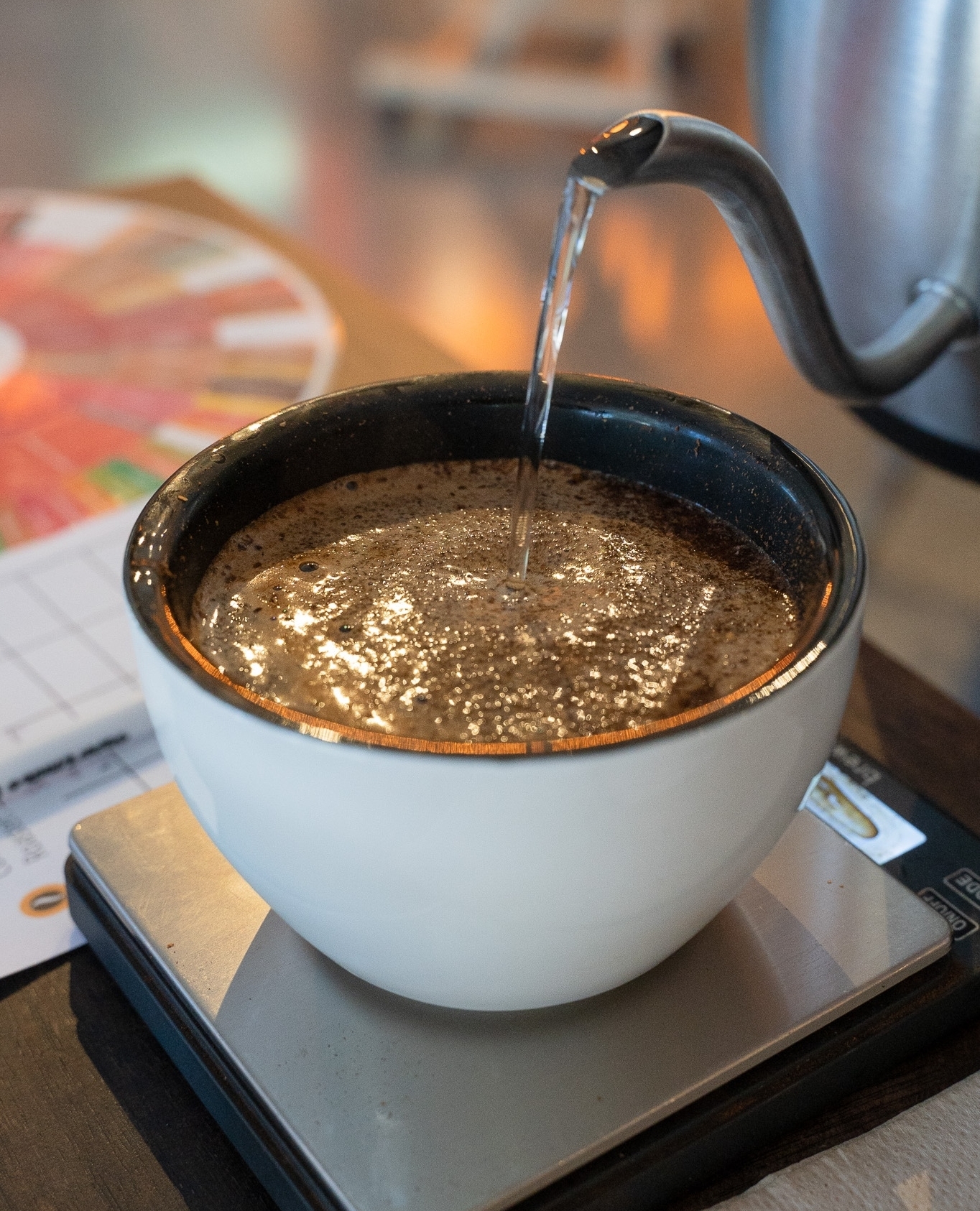
The process involves freshly ground coffee placed in bowls, with hot water added, and the coffee is left to brew. After a few minutes, the top layer of grounds, known as the crust, is broken with a spoon. This is when the aroma becomes especially noticeable. The coffee is then tasted with a spoon at different temperatures as it cools.
The purpose is not to create the perfect cafe-style drink but rather to brew coffee using a method that can be replicated anywhere in the world, with the only requirements for equipment being a grinder, a cup, and hot water.
Also, by removing many of the variables that come with espresso machines including type or texture of milk, brew ratios and barista technique, cupping gives roasters a simplified view of what is happening in the coffee itself.
Why do roasters cup coffee?
Cupping is used for several important reasons, from quality control to flavour development.
1. To check quality
One of the main reasons roasters cup coffee is to check quality. Cupping helps identify whether a coffee is clean, balanced and enjoyable, while also helping detect any faults or defects.
A coffee might look great on paper, but the flavour in the cup is where the real story is told. Through cupping, we can assess whether the coffee has the sweetness, body, acidity and flavour clarity we are looking for.
For specialty coffee, quality is not just about one strong flavour note. It’s about how all the elements work together.
2. To maintain consistency
Every blend has its own character, whether it’s bold and rich, smooth and sweet, syrupy or balanced. A roaster will create a blend based on a desired flavour profile and will continue to aim for consistency and for the same flavour parameters to be met.
Customers favour consistency when they drink coffee regularly and are more likely to return to their favourite coffee shop if they can rely on the coffee being consistent.
For blends like our Ultimo, Emporio, Kinship and Natura, cupping helps us make sure each roast continues to deliver the intended flavour profile our head roaster designed..and if something changes, cupping helps us identify it early and make the right adjustments to the profile of the roast.
3. To select green coffee
Before a coffee is roasted for customers, it often begins as a green coffee sample. Roasters cup these samples to decide which coffees to purchase for their blends.
This is especially important with single origins as each origin, region, variety and processing method will create a different flavour that’s clearly identifiable when experienced as a single origin coffee. E.g. a natural Ethiopian coffee may show fruity and floral notes, while a Central American coffee may bring sweetness, citrus, chocolate or nut-like qualities. Cupping gives us a way to compare these coffees fairly and choose the ones that best represent the quality and flavour we want to offer.
4. To develop roast profiles
The same green coffee can taste very different depending on what degree it is roasted. A lighter roast may highlight acidity and delicate aromatics, while a slightly longer / more developed roast may bring out body, sweetness and chocolate-like depth.
Cupping allows roasters to compare different roast levels and choose the roast profile that best suits the coffee. It helps answer important questions such as:
Is the coffee sweet enough?
Is the acidity balanced?
Does the body feel pleasant?
Is the finish clean?
Are the flavour notes clear?
Does the roast suit the way this coffee will be brewed?
This process is part science, part skill and part sensory experience.
When we cup coffee, we’re not looking for one tasting note, we’re assessing a full experience of the coffee. This process is part science, part skill and part sensory experience.
Some of the key things assessed include:
Fragrance and Aroma
Fragrance and Aroma relates to the smell of both the dry and brewed coffee revealing fruit, florals, chocolate, spice, nuts or other olfactory characteristics. This is before the coffee is even tasted.
Sweetness
Sweetness is one of the most desirable qualities in coffee. It can come across as caramel, honey, brown sugar, fruit, chocolate or toffee. A coffee with good sweetness usually feels more balanced and enjoyable.
Acidity
Acidity in coffee does not mean sourness. When balanced, acidity can make coffee feel bright, lively and refreshing. It might remind you of citrus, berries, stone fruit or crisp apple.
Body
Body refers to the weight and texture of the coffee in your mouth. Some coffees feel light and tea-like, while others feel round, creamy or syrupy.
Balance
Balance is about how the different parts of the coffee work together. A well-balanced coffee does not have one element overpowering everything else. Sweetness, acidity, body and aftertaste should feel harmonious.
Aftertaste
Aftertaste is the flavour that remains after swallowing. A great coffee should have a pleasant and clean finish that makes you want to take another sip.
Clean cup
A clean cup means the coffee tastes clear and free from unpleasant flavours or defects. This is especially important when assessing specialty coffee.
Why coffee changes as it cools
One interesting part of cupping is that coffee is tasted at different temperatures. This matters because the flavours expressed in the coffee will change as it cools.
When coffee is very hot, it can be harder to notice delicate flavours. As it cools, fruit, floral, sweetness and acidity can become easier to detect. This is why cupping is not rushed. A coffee may taste simple when hot, then become more complex and expressive as the temperature drops.
This is also one reason tasting notes are not always obvious in the first sip. The complexity in a coffee often reveals itself over time.
Can you cup coffee at home?
Yes. While professional cupping has detailed standards, you can still try a simple version at home.
Choose two or three coffees and compare them side by side. Use the same amount of coffee, the same grind size and the same amount of hot water for each cup. Smell the dry grounds, add water, wait a few minutes, then break the crust and smell the aroma.
Once the coffee is cool enough, taste each one with a spoon and compare what you notice.
Ask yourself:
Which coffee has strong aromatics?
Which one has more body?
Which one feels brighter?
Which one has the longest finish?
Which one do you enjoy most?
Final thoughts
Coffee cupping is more than a tasting exercise, it’s an essential part of how roasters assess quality, develop flavour and maintain consistency.
At Bellissimo Coffee, cupping helps us understand each coffee more clearly, from green coffee selection through to roast development and final quality control. It allows us to make better decisions, support our cafe partners and deliver coffee that tastes clean, balanced and full of character.
Whether you’re a home coffee drinker, a cafe owner or simply curious about how coffee is assessed, cupping is one of the best ways to experience coffee with more attention and appreciation.
Next time you try a new coffee, take a moment to notice the aroma, sweetness, body and finish. You may be surprised by how much there is to discover.
Discover Rwanda Bumbogo
Rwanda Bumbogo is a wonderful coffee for exploring how origin, variety and processing can shape the flavours in your cup.
Grown between 1,650 and 2,000 metres above sea level in Rwanda’s Gakenke District, this naturally processed coffee is produced from the Red Bourbon variety. It delivers a sweet, juicy and complex cup with notes of crisp red apple, date sweetness and a smooth black tea finish.
Its clean, fruit-forward character makes it particularly well suited to filter brewing, where its sweetness, bright acidity and delicate finish have room to shine. As the coffee cools, you may notice its flavours become clearer and more expressive, making it a great example of why coffee is tasted at different temperatures during a cupping session.
When brewing Rwanda Bumbogo at home, take your time and notice how the aroma, sweetness and finish develop from the first sip to the last.
 FREE SHIPPING